Outer Banks North Carolina
A long and narrow, perpetually eroding and constantly shifting, precariously exposed and delightfully isolated strip of peninsula and barrier islands — the Outer Banks of North Carolina sits closer to the energy-draining continental shelf than anywhere else on the East Coast, making this ground zero for raw power and guaranteed consistency on the East Coast. When it’s good, it can resemble any other world-class beachbreak at scale. And when it’s bad, it’s still more fun than most American beachbreaks.
The Waves

Avalon Pier
There was a time that the north side was one of the best and most consistent waves in "town." Outside of periodic glimmers on both sides of the pier, that hasn't been the case in more than a decade. There is always hope that the next storm moves the replenished beach around and deposits sand in the right places, so it is always worth a check. If you do surf, watch out for the pilings off the end of the pier left by Hurricane Dorian back in 2019.

Nags Head Pier
The sandbars around Nags Head Pier have been reasonably reliable over recent years, but of varying quality and location. The north side of the pier has seen the most action lately, but between the south side and Curlew Street occasionally shines when the sand is right. Given the focus of the best sand typically isn't right up against the pier (which technically you need to be 300 feet from anyway), it is possible to score a fun, lightly attended session here from time to time.

Jennette's Pier
The original pier was built in 1939 and over the next 60+ years it sustained damage from storms and was rebuilt numerous times. After Hurricane Isabel in 2003, the remnants of the old pier were largely removed and replaced with a 1,000 foot long concrete pier that opened in May of 2011. While the rest of the sandbars along the Northern Outer Banks have changed significantly with each beach replenishment cycle, the sand around Jennette's is pretty consistent, offering something to ride more times than not. The pier also hosts a number of events, including the WRV Outer Banks Pro around Labor Day and the Eastern Surf Association's Easterns every September.

S-Turns
Named for what was the final, winding stretch of Highway 12 as you trekked south from Pea Island into Rodanthe, S-Turns was the epicenter of Outer Banks surfing for years. Historically, S-Turns was consistent -- south windswells, tropical swells, nor'easters and everything else -- you could depend on it being good. That changed right around the time Serendipity (aka the Nights of Rodanthe house) was moved in January 2010. Whether the house helped anchor sand or subsequent washouts of the road changed the break forever, time will tell. One thing is for sure, and that is access will never be as easy as it was. With the opening of the Jug Handle bridge in the summer of 2022 which bypasses Mirlo Beach, the days of pulling off Highway 12 right at the break and hoping not to get stuck are gone.
Avon Pier
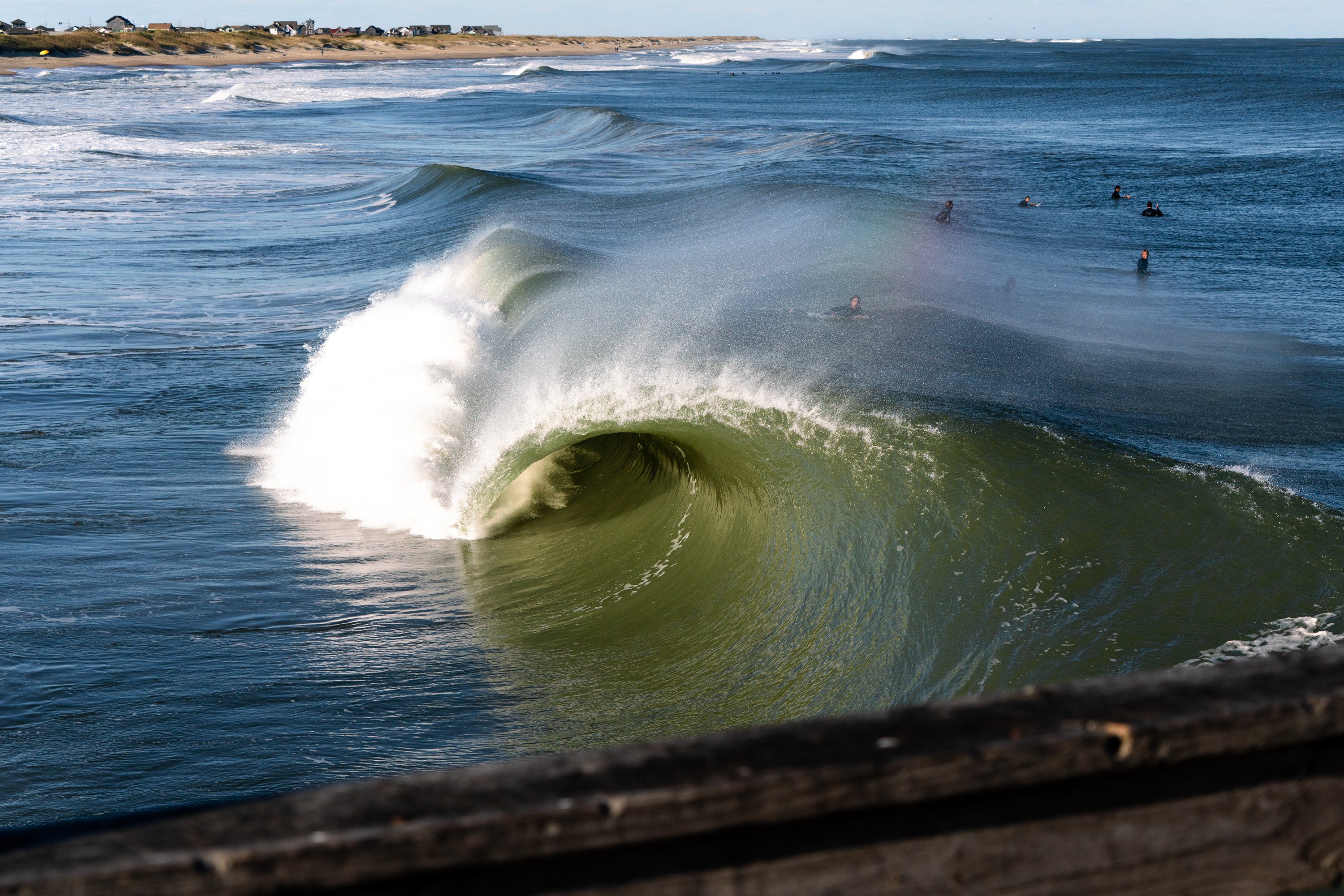
While not as revered as other some other surf spots nearby on the island, Avon Pier can be the focal point of surf on Hatteras Island when everything aligns. The sandbars shift frequently on both sides of the pier. From outside sandbars near the end of the pier and the dreaded inside trench to the close-to-the-beach grinders depending on the sand, there have been many faces of Avon Pier over the years. Regardless of sand, the pier can often pick up more swell than surrounding zones, making it quite reliable. Playful on the small days and scary on the big days, the surf can vary drastically based on whatever the Atlantic throws at it. The pier breaks best on S windswells or large NE swell events, although nearly everything in-between can be rideable and fun. The pier handles NW winds better than points further north, making it worth a look on the right wind/swell combo.
Cape Hatteras Lighthouse
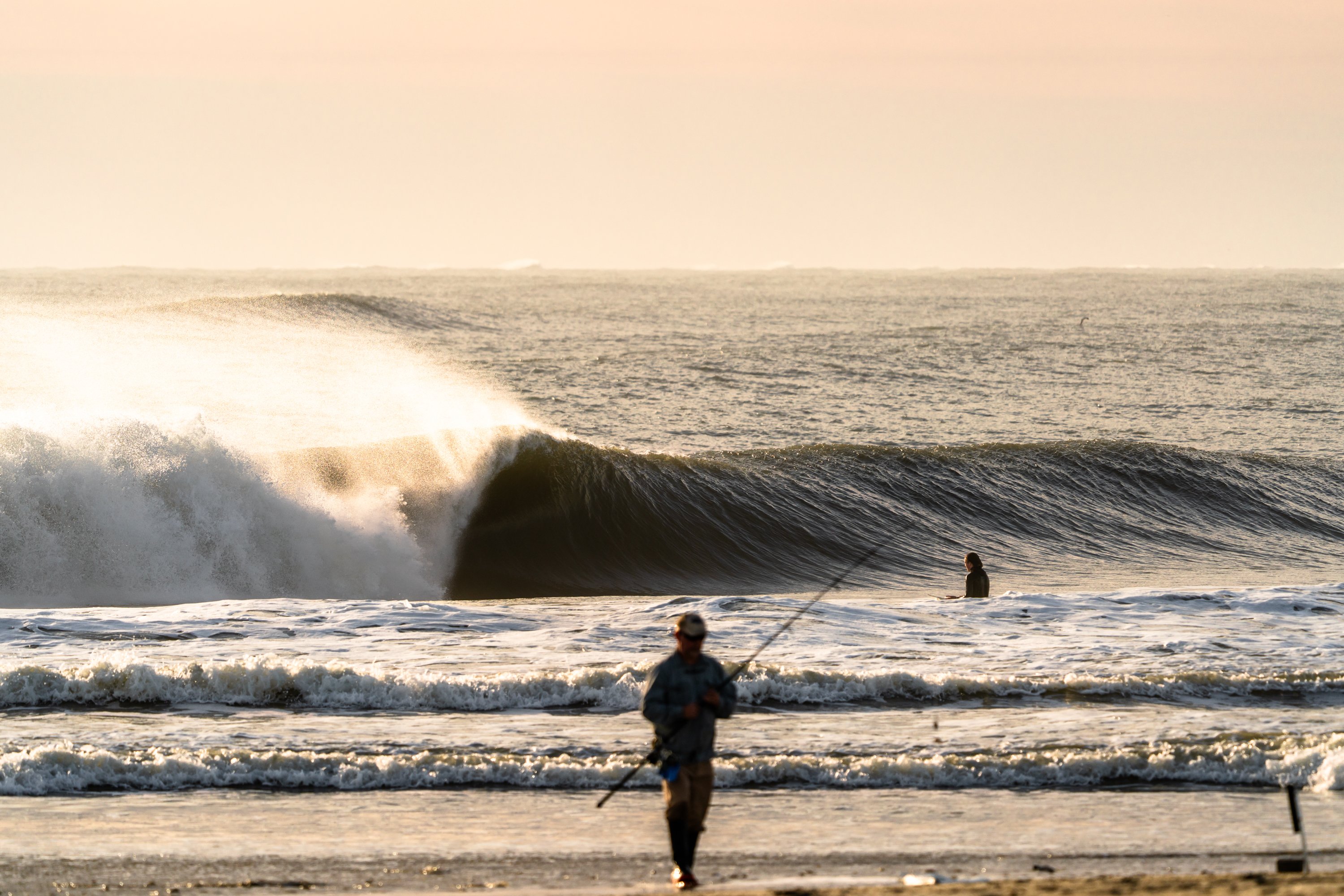
There are three groins here -- southernmost is the First and the northernmost is the Third. On a solid south or southeast swell, the Third can produce some heavy sweeping rights, while between the groins several peaks produce more short-lived thrills. But the First is the major draw for its consistently heavy, sometimes long, barreling lefts when northeast swells march down the coast. NW and even NNW winds are doable here, which is a good thing as they often coincide with those northeast swells. The local crew is pretty heavy, and when it is on people drive from afar, so you won’t be alone. That said, on good days the current is usually pouring southward, so there is a conveyor belt effect in the lineup which spreads waves -- and the crowd -- around a bit.

When the sandbars are right, it’s a world-class, sand-bottomed experience offering a smorgasbord of wedgey beachbreak goodness, from bottomed-out barrels to carveable faces.
When to Score & Seasonal Surf Data
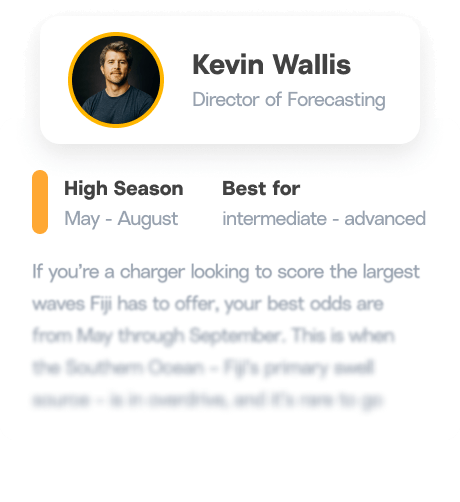
Know exactly when to score — powered by our expert historical forecast data.
Decades of spot-specific swell info — combined with forecaster insights — show your best chance to score, found only on Surfline.
Time to score

Forecaster reports
Seasonal Surf Data

The Outer Banks According to...
Jesse
Hines
Former pro surfer and media darling-turned-Surfin’ Spoon co-owner sets us straight.
What makes the Outer Banks a special destination for surfers?
Nearly endless opportunity for super fun, hollow beachbreaks, both east and south-facing, with miles and miles of open beaches to explore.
What kind of waves can visiting surfers expect?
When the sandbars are right, it’s a world-class, sand-bottomed experience offering a smorgasbord of wedgey beachbreak goodness, from bottomed-out barrels to carvable faces.
What’s the vibe?
It’s an East Coast-meets-island kind of vibe, small town feel sprinkled with some Southern hospitality.
What should surfers bring?
As far as your quiver, bring a longboard, fish, groveler and modern shortboard. If you have them, bring them all because we get all shapes and sizes of waves. Check the water temps before you come, too, because it can vary from 40 to 80 degrees depending on the time of year. Other than that, bring a good attitude.
When is the best time to score?
Fall. The water is warm and the swell can be plentiful from both hurricanes and low pressure systems.
What else is there to do when you’re not surfing?
Fishing, kitesurfing, looking for wild horses in Corova, climbing lighthouses, bronzing on the beach, and if you’re feeling scholarly, make some time for a historical tour. The Outer Banks is the birthplace of flight, the birthplace of the first American baby, and the resting place of former villages like Portsmouth Island and the world-famous pirate, Blackbeard. There’s lots of history and sites here.
What’s your favorite local cuisine?
Seafood. Lots of fish are caught here and oysters are raised here, and there are so many great restaurants that prepare these delights from the sea. Greentails is my favorite, but it’s hard to go wrong when ordering seafood at most of the local restaurants here.
Where can people learn to surf?
Lots of folks give surf lessons here. Some friends of mine that do a great job include Outer Surf, Surf Hatteras and Endless Summer Surf OBX.
What are some things people should be aware of when it comes to local culture and customs?
This is a seasonal destination. Hundreds of thousands of folks visit in the summer, but only a small population lives locally. So, you may encounter one or two grumpy local surfers. Heck, it may even be me [laughs], but either way, just be mindful and respectful of the local population in and out of the water when you come to visit. Also, you’re in the South, so be prepared for some American tradition. If you hold the door open for someone or give a friendly wave to a stranger, you’ll fit right in here.
Any other local tips?
There’s lots of open beach here, which means you can have a peak all to yourself or with your buddies. When you pull up and see a group of surfers out on one peak, there’s still several other waves to the left or right that you can have to yourself. So spread out, so no waves are wasted. Then everyone wins!
Travel Essentials
Culture & customs
Outer Bankers are generally humble, crafty and resilient — but also a bit moody, self-deprecating and suspicious: where you’re from, who all you came with, how long you’re staying, what your intentions are… It’s not very cool to be really into yourself around here, all bragging about your deal, claiming this and that. Mystique and independence, on the other hand, are applauded. Respect is returned tenfold. And the truly hardcore, no matter where they’re from, are rewarded. Southern hospitality and Christian sensibilities run deep, countered by a little salty island ignorance, but you’ll generally see far less braggadocio and localism here than other beach towns, because it’s just not a very competitive place, because when it’s really firing, there’s always another sandbar somewhere down the beach with less or no people. It’s freedom incarnate.
Local scene
Surfing on the Outer Banks dates back to the early 1930s when local waterman Tom Fearing started riding waves here, but the local scene didn’t really catch fire until the early 1960s, once Cape Hatteras was protected as the country’s first National Seashore Park and the Oregon Inlet Bridge was completed, effectively connecting Hatteras Island to the peninsula. At that point, Buxton teenagers Buddy Hoover and John Ochs started paddling out. John Conner began renting surfboards to vacationers soon after, eventually converting his mobile home into the Outer Banks’ first surf shop, and the heat was on. Floridans and Virginians and other countercultural orphans of the rat race arrived en masse to make this mystical sandbar paradise their home, and by the turn of the decade, the Outer Banks was heralded as the top surf zone on the East Coast. The Eastern Surfing Association set up shop at the Cape Hatteras Lighthouse for their championship event in 1971 and contests, surf shops, boardbuilders and local talent just bled out from there. Today, the Outer Banks of North Carolina is a veritable Shangri-La of surf stoke with surfers and bodyboarders, kitesurfers and windsurfers, foilers and SUP’s, skimboarders and kayakers and probably even a few weirdos doing step-offs all searching for that magical knuckle of sand to do their thing. And if the swell’s good and the sandbars are right, this place accommodates them all.
What to bring
Your favorite two surfboards, whatever they may be, with the intent of snapping at least one in a cooking cavern. Also, a log or a stump or both for soft waves, a high-performance thruster for solid waves, and maybe even a step-up in the winter to help cut through all that wind and knife those late, steep drops. Be prepared for fluctuations in water temps, though. Two ocean currents, the warm-water Gulf Stream and the cold-water Labrador Current, run in opposite directions along the coast and can hike up or push down water temps 15 degrees or more overnight. You might need a fullsuit and booties in the summer, and you might get away with a springsuit in the winter, so you might as well bring everything.
How to get there
Fly into Norfolk International Airport in Virginia and promptly rent a 4WD vehicle for the hour-and-a-half trek down to Dare County, because you will get stuck in the sand at some point during your visit. Invest in an ORV permit, head to your preferred access on the Cape Hatteras National Seashore, and go wild.
Downtime
Nags Head mayor Ben Cahoon put it best: “The Outer Banks is not a tourist economy. We’re an outdoor recreation economy.” This is the undisputed kiteboarding and windsurfing capital of the East Coast, so you could realistically spend every waking hour soaking wet. Otherwise, there’re endless fishing opportunities. Hunting, too, if you’re licensed up. There’s also hiking and biking, a smattering of skateboard parks, an enchanting local art scene, raucous summertime nightlife, and more museums and lighthouses and wildlife refuges and historic sites than you’ll know what to do with.
Quick Tips
Travel Time
LAX: 13.5 hours (3h, 52m layover)
Heathrow: 9 hours
SYD: 20 hours
Connectivity
Phone connectivity is generally good, albeit a lil’ spotty on Pea Island and other more remote areas, and internet connectivity is improving with the expansion of fiber internet.
Currency
U.S. Dollar.
Avg. cost of...
Cup of coffee: $3 USD
Lunch: $21 USD
Beer: $8 USD
Hotel room: $342 USD
Visa Requirements
Visitors may require a visa, depending on their nationality and/or the purpose of their trip.
Drinking water quality
Generally meets federal health standards, with utilities working to improve systems to provide safe drinking water, but the quality varies and there are concerns about contaminants like trihalomethanes and haloacetic acids.
Hazards
Deceptively strong rip currents. People drown here all the time. The sharks are pretty well fed, but they’ve killed here, too. The water’s cold AF in the winter, but being so utterly isolated and exposed, your hypothermia’s more likely to come from the bone-chilling winds. Sea lice and jellyfish, cactuses and sand spurs, flies and mosquitos are constant nuisances in the warmer months, but the greatest danger lies in traffic. Drive safe and drive sober, because there’re legions of local cops, state troopers and park rangers ready to hit their quota and flex that OBX motto: *Come on vacation. Leave on probation.*
Cash, card, crypto
This is America, the world’s largest economy, so money talks. Most businesses accept major credit cards, some probably even take crypto. U.S. dollars are still a thing, too, and you’re never too far from an ATM.
Explore Other Zones


Have feedback on this zone? Let us know [email protected]
Questions about booking with Surfline Travel? Check out our FAQs