Surf etiquette,
simplified.
simplified.

.png)
Whether you’re new to the lineup or a well-salted local, we all strive to be good neighbors in the water. Explore common points of confusion in the lineup and the best ways to tackle them.











Surfing is crazy fun. We all know this! Yet it can also be confusing, scary, challenging and complex — and trying to figure each other out in an ever-changing lineup can sometimes feel like the most complex thing of all. Who has right-of-way? Why can’t I find the wave I want? Are there even rules out here, or is it just a free-for-all?
Lineups work differently all around the world, and there’s a million different situations you’ll find yourself in over the course of your surfing life. But there’s also a lot of common ground. Here’s some things we’ve found to work pretty much wherever you choose to surf, and with whoever’s out there with you at the time.
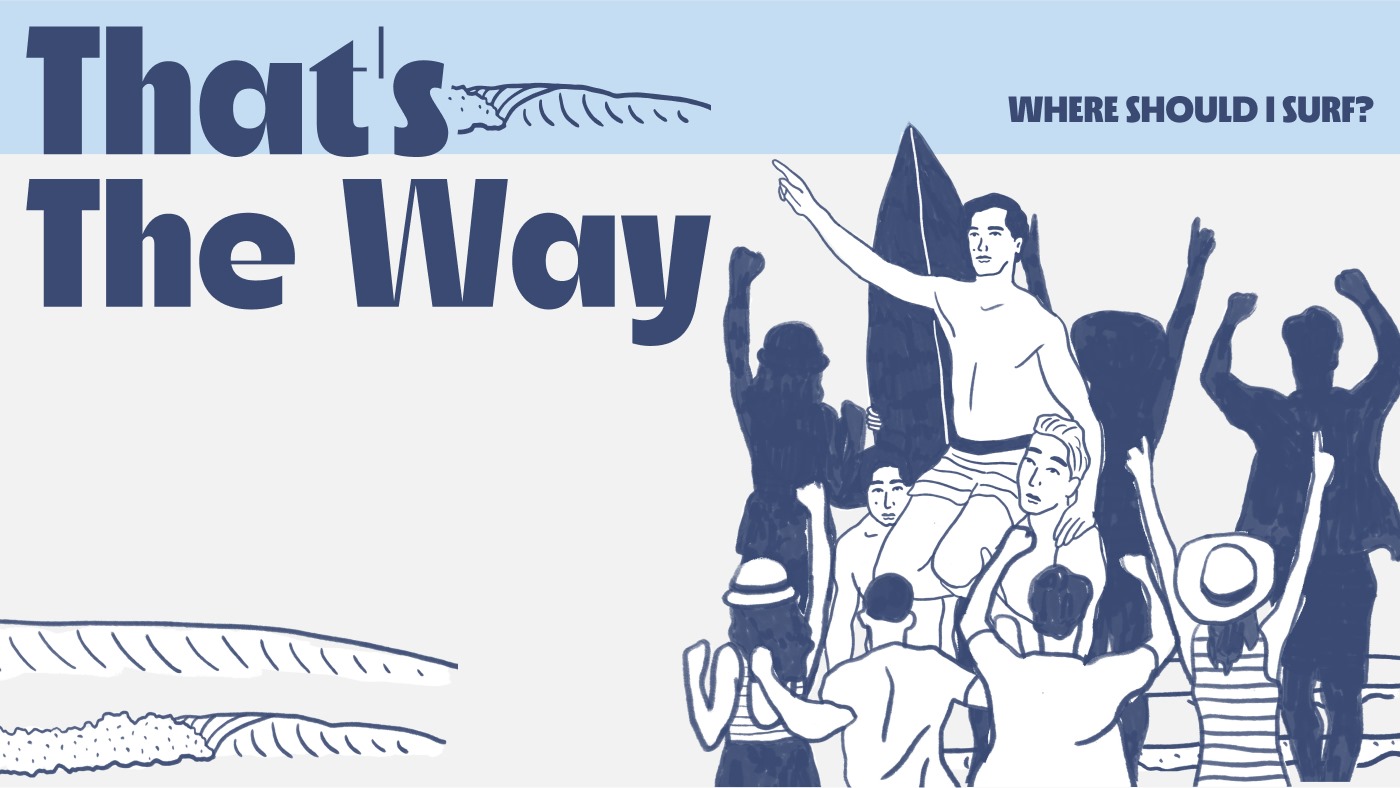
Early in your surfing, just choosing a spot to surf can be tricky. Many coasts around the world feature dozens of spots, all within a short drive of each other. Some spots will be well-known, others less so. Surfline can do a lot to help with the choice, but it’s your choice!


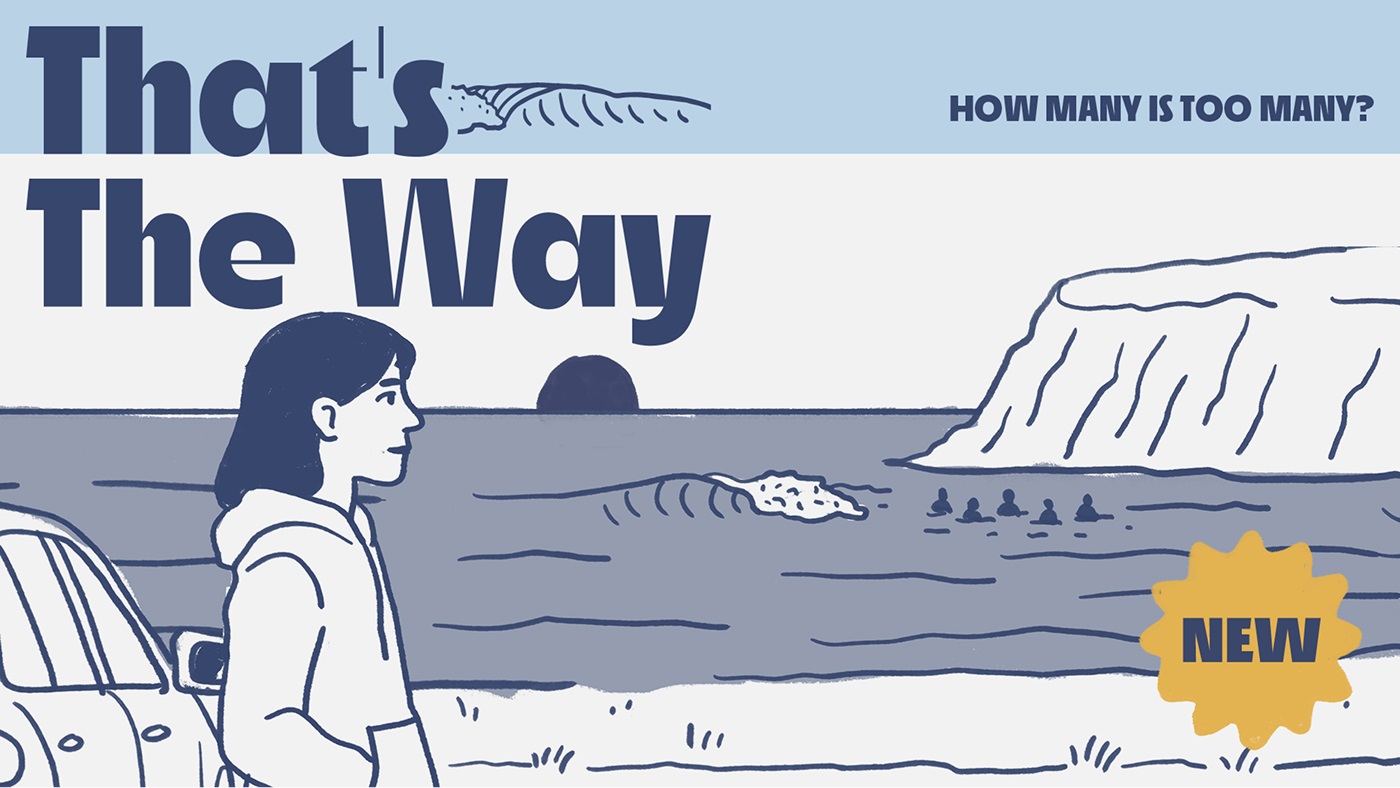
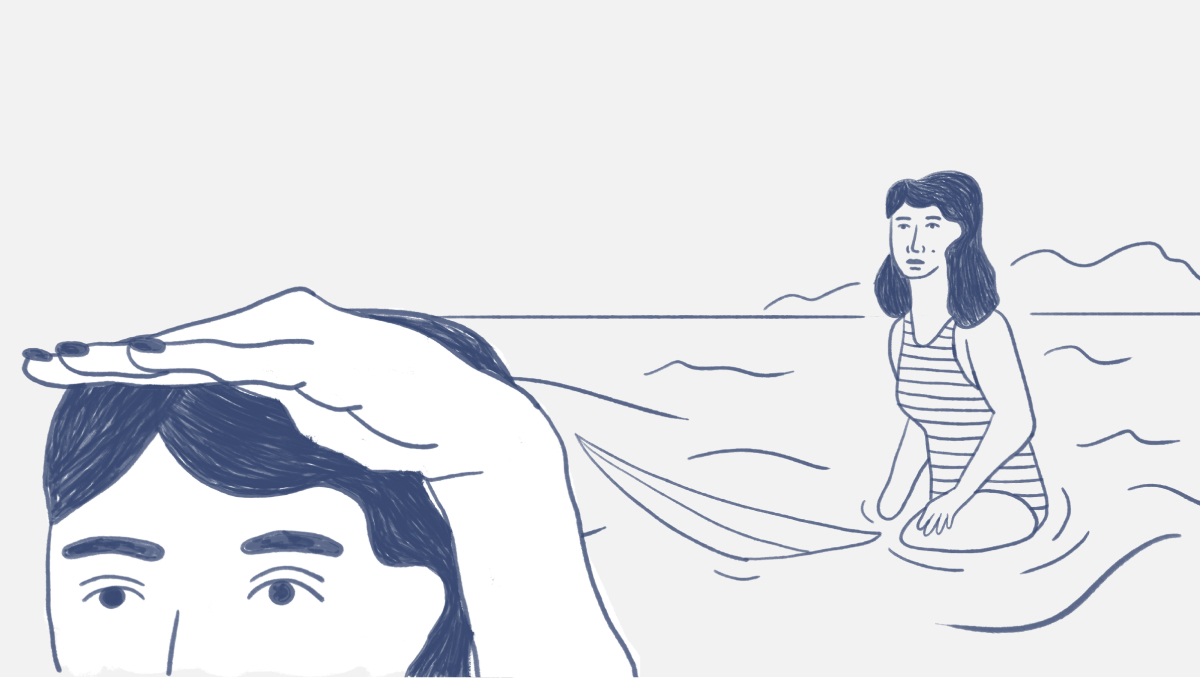
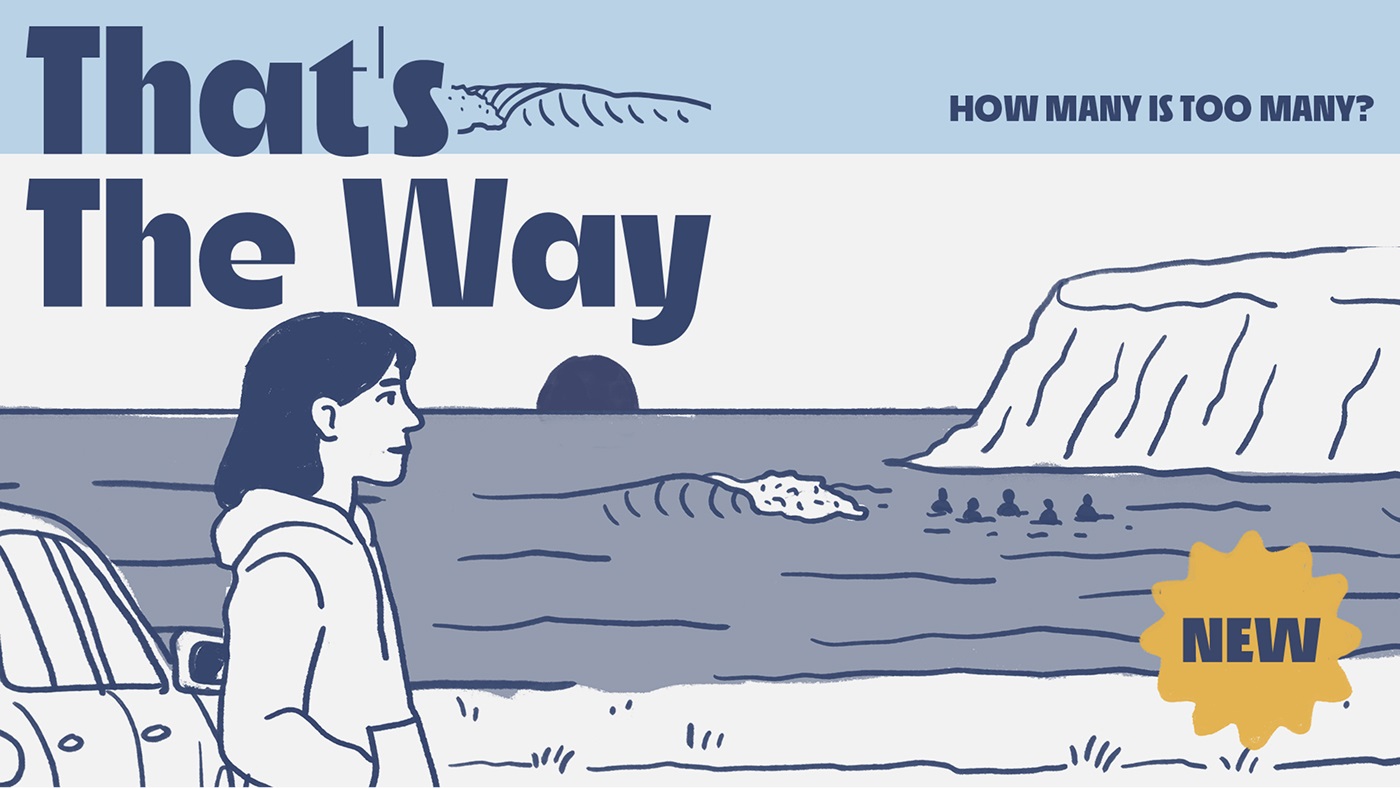
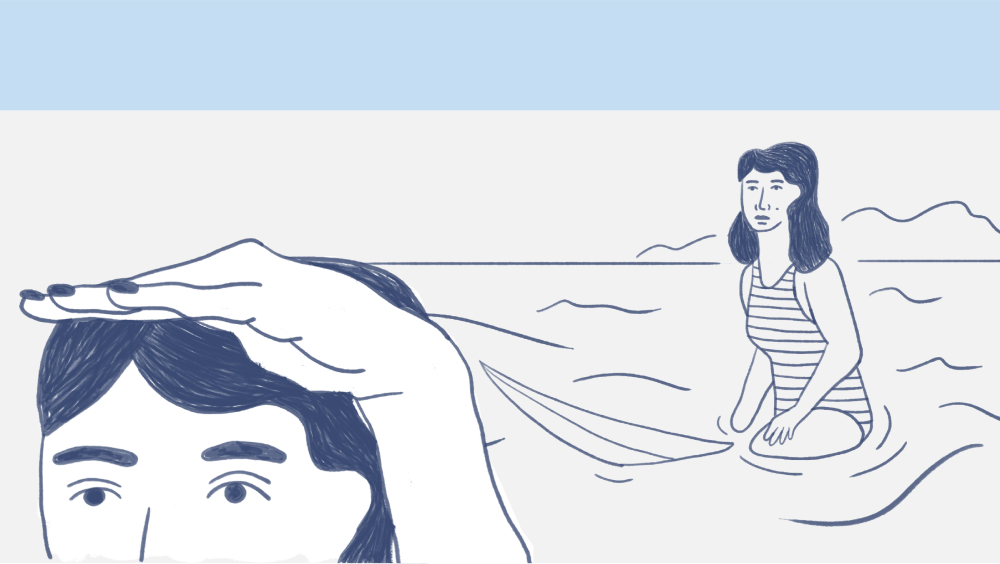
Watch. Spend some time observing a spot before making that choice. This is a big one when you’re unfamiliar with a place, but it doesn’t hurt even if you’ve been surfing it for months or years. Is it a busy lineup? Is every wave being ridden? How’s the general skill level and the kinds of boards being ridden? Are people trying to ride the same wave and getting annoyed with each other? Can you see an easy entry and exit point? Most of all: can you see an unridden wave with your name on it?
Talk to your fellow surfers. We all love to talk about the surf we just had. If someone’s coming out of the water, ask them how it was. Insanely simple? Yeah! Yet amazingly little practiced. The more you ask, the more you’ll learn.
Talk to yourself. Does the circumstance feel right? Do you like what you’re seeing? Does it fit your own skill level? Try not to be influenced by your buddies here. Even highly competent surfers will choose not to surf a spot at times based on their own instinct, even if it’s well within their comfort zone.
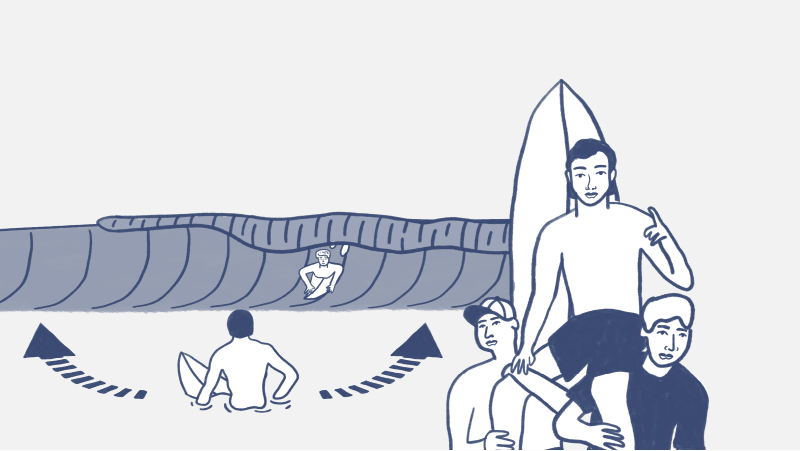
You don’t have to surf the well-known spot. Famous surf zones are magnetic—they’ll often draw lots of people, even when they’re not really pumping. Meanwhile, not far away, there’ll often be a lesser-known spot with less people and a lot more waves. And I bet we can all agree that more waves are a good thing.
Always exciting, sometimes nerve-racking, your first go-out anywhere will be a part of your surfing memory for as long as you’re a surfer. Here’s a few ways to make it a good memory.
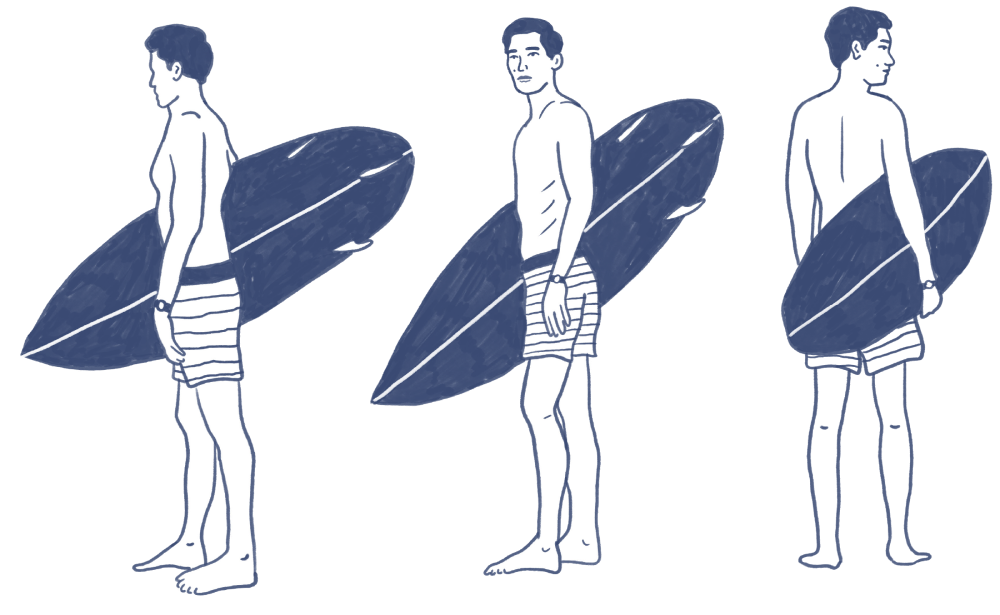
Don't go alone. Take a buddy. Share the process and have each other’s backs. Keep the numbers low, so you don’t overwhelm the lineup.
Take your time. Watch for a good long while, really assess it. If it seems really good but there’s only a few people out, really take your time. There could be some excellent reasons for this.
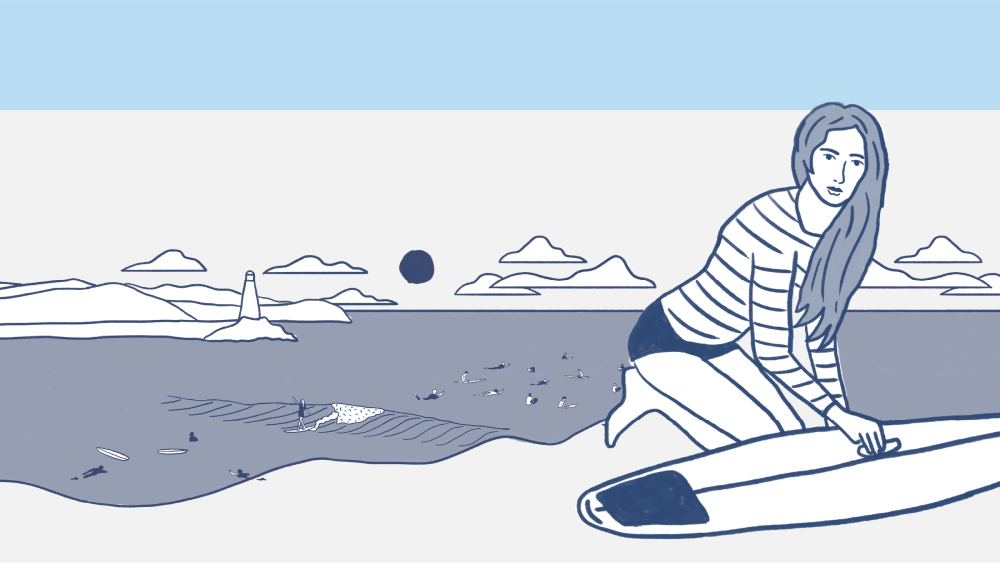
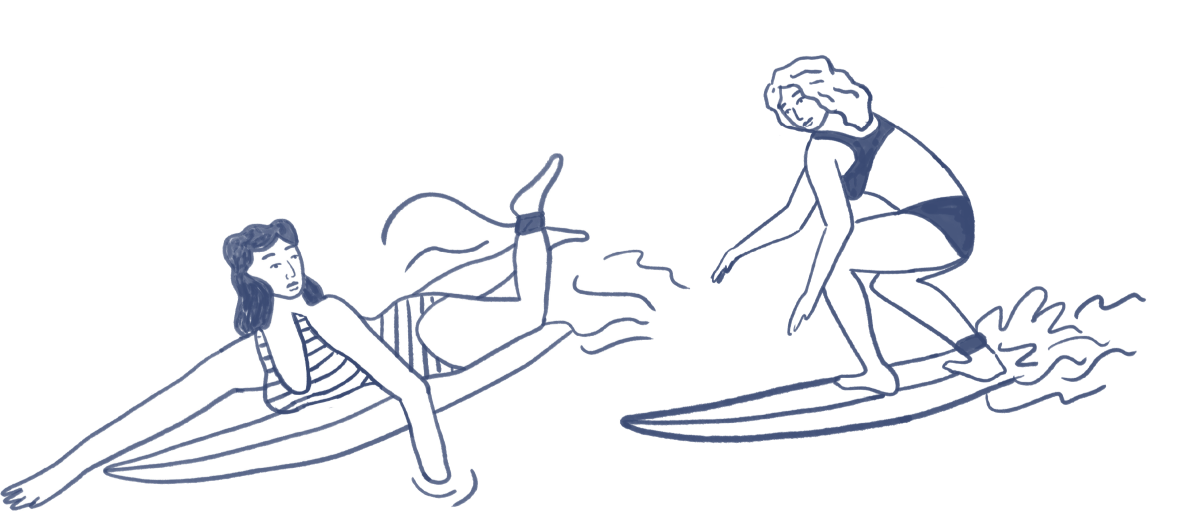
The drop-in. This is a common term for taking off on a wave in front of another surfer, who’s already riding or closer to the curl at the time. You might come across lineups where this is viewed as OK, or paddle out at a new spot and see a couple of people riding together and laughing their heads off—but they might just be buddies having fun, and not inclined to laugh if a stranger does the same thing.
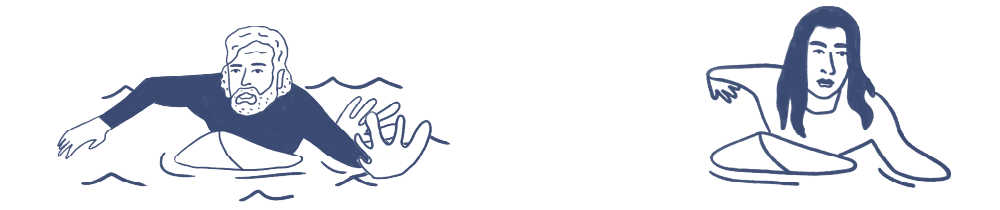
The threat. Don’t go there. People get super angry in the surf at times, for many reasons, but it’s never OK to physically threaten someone else.
The snake. Sitting next to a fellow surfer, waiting for a good wave to pop up, then quickly paddling to the inside position to claim right of way. Very naughty. If you do this, do not be surprised if the surfer drops in on you.
The loose board. There’s a few ways in which your surfboard might hit another surfer, but none of them are good. Common ones: letting your board go under whitewater when there’s another surfer right behind you; dropping in (see above) then falling; choosing not to wear a leash then losing your board in a busy lineup. Here’s the key: if your board hits someone else, it’s likely your fault.

You have every right to be in the water. Surfing is not a closed shop, it’s a gift we’ve all been given by nature and by cultures and people who came before us. Sometimes it can really help to hold that in the front of your mind.
That whole picking-the-right-spot thing really matters. For one big thing — pick a spot where you can comfortably catch a heap of waves, and you’ll have way more fun. Plus, catching more waves is the only really surefire way to grow as a surfer. This is true whether it’s your third surf or your 3,000th, but it’s REALLY true when it’s your third.
That whole you-don't-have-to-surf-the-famous-spot thing. There’s nowhere sketchier for your early-stage surfing experience than a lineup full of hungry, skilled surfers at a quality surf zone. There’ll be a time for the famous spot one day. Meanwhile, enjoy yourself! Don’t torture yourself.
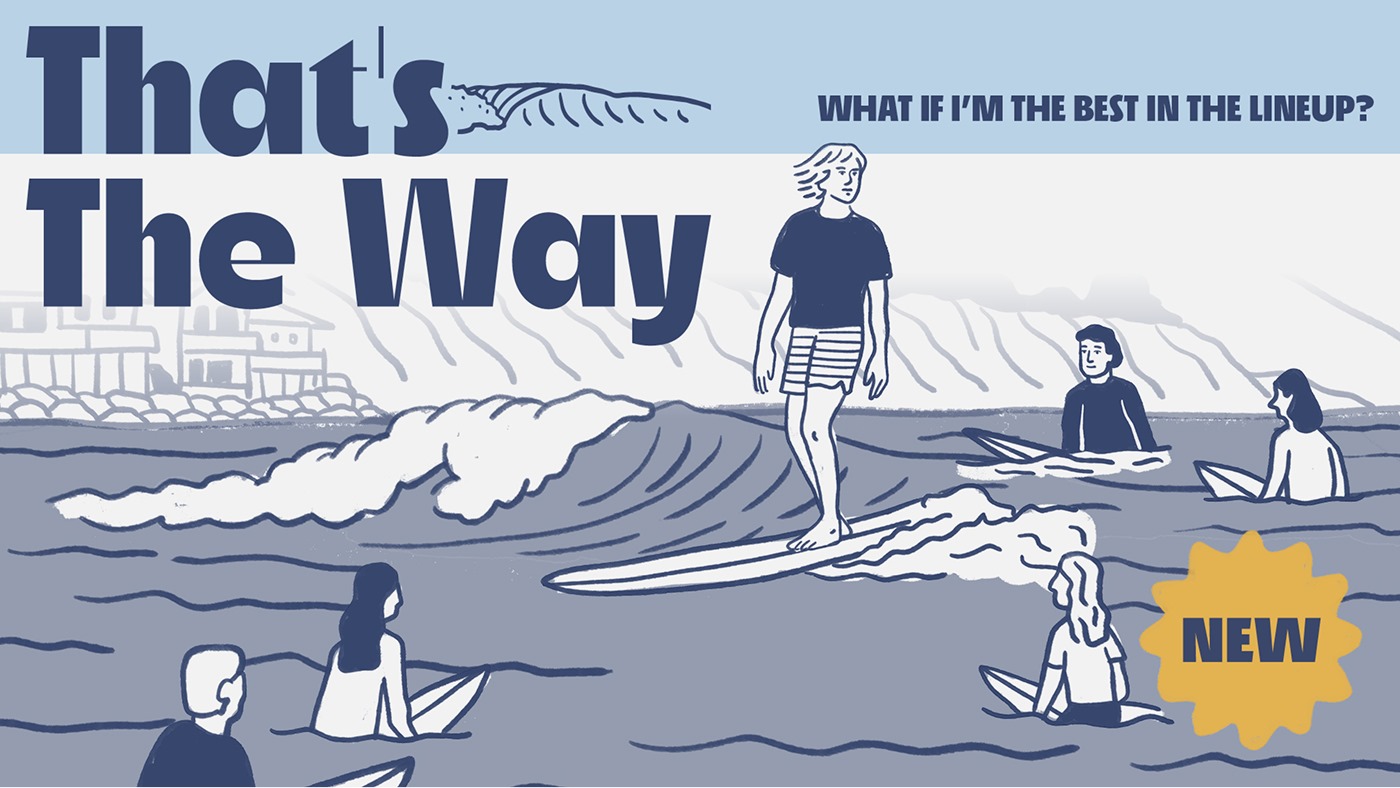
If you are out there with better surfers, and they’re getting all the good waves, it could be an opportunity. Watching skilled people do their thing at close quarters is a great learning experience.
You're going to get a lot of good waves. It won’t hurt to give a few away here and there. You’re the example! You can set it how you choose.
Give your fellow surfers a chance, maybe two. Everybody makes mistakes, we all know that, especially in a busy lineup where there’s a lot happening
Do some lifeguard training. You’re the one with eyes in the back of your head. You’ll be subconsciously tracking every surfer in the lineup. Your skills and awareness might change the game for someone else one day.
Do your best not to be the angry one. You may have been the angry surfer from time to time – if so, you will already know it sucks.
Paddle out to a lineup anywhere, any time, and you become part of it all, just like everyone else in the water with you. Just as you would on land, try to understand the effects you’re having on other people in the process. How would you like to be treated? Try to practice that toward others. Surfing’s a gift we can give to each other as well as to ourselves.
Surf zone: Anywhere rideable waves are breaking.
Lineup: The group of people in a surf zone at any one time.
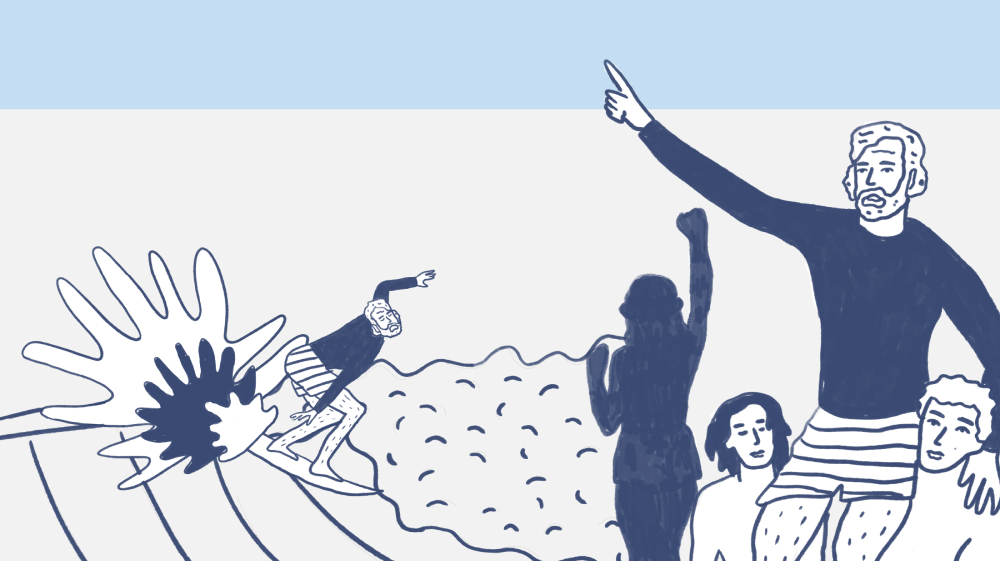
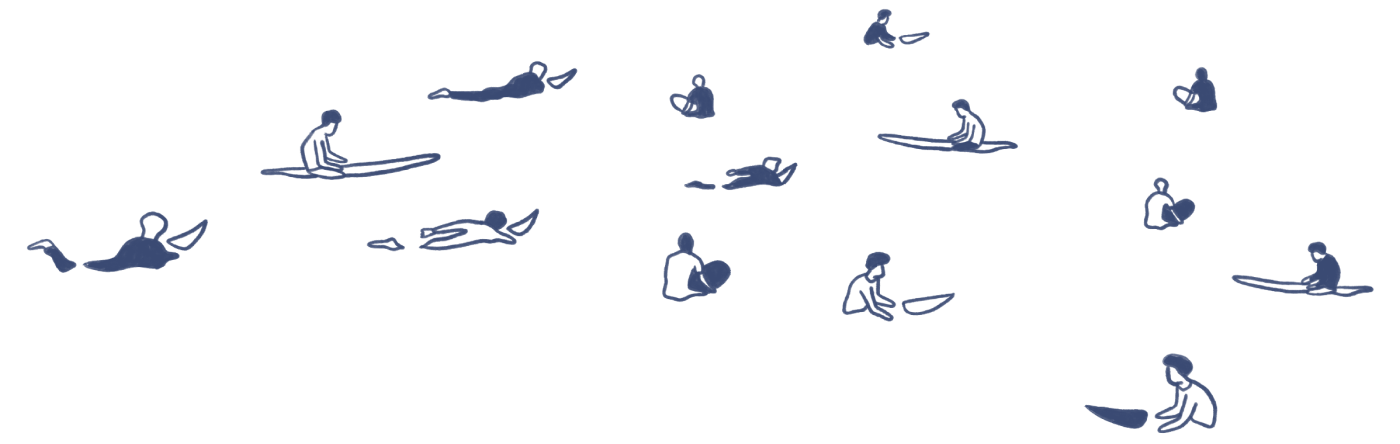
Surf zones are fluid places, in every way. Tide, wind and swell are constantly in flux. So is the lineup. Surfers of all kinds come and go, from beginners to the highly skilled, changing the feel of a place as much as any shift in surf conditions. How do you find a place that works for you in an ever-changing lineup?
Move around. Sounds ultra basic, but like a lot of ultra-basic ideas, it really works! Over a half hour or so, quietly paddle your way around the whole lineup. In the process you’ll be able to check out everyone else and get a sense of who’s who and what waves they’re after. Where feels most comfortable to you?
Keep your eyes peeled. Watch for changes in the lineup the same way you watch for sets and lulls. A spot can be busy one minute and surprisingly quiet the next, or maybe the other way around. Every time someone goes in or paddles out, the balance shifts, even if only slightly.
Engage. You’ll be communicating with your fellow surfers from the moment you hit the water. They’ll be wondering who you are and what you’re bringing to the session. It really helps to be aware of this! An easy entry into the lineup, a few smiles and nods, and you’ll have quickly answered those questions.
Don't engage... The exception here is the Angry Surfer we’ll talk more about below. You will come across one of these occasionally. Don’t engage with an angry surfer, it rarely ends well.
Take a break. If you’re having trouble finding a wave, it can really help to go in, chill for a while, take a broader look at the surf zone and reset. The lineup will change while you’re doing this, and probably the conditions will too, so when you head back out, it’ll be like a fresh start.